


CO5: Neurogenesis and Neuroregeneration
CO5: Neurogenesis and Neuroregeneration
Our group studies the molecular and cellular mechanisms that regulate neurogenesis in the adult brain with the goal of promoting the regeneration of traumatic, vascular, or neurodegenerative brain injuries. Neuronal death caused by injuries of any etiology—such as trauma, ischemic strokes, neurodegenerative diseases, etc.—is an irreversible process for which there is still no effective treatment. The discovery of neural stem cells in the adult brain has opened up the possibility of developing new therapies in regenerative medicine based on neuronal replacement using neural stem cells (neurogenesis). Under physiological conditions, neurogenesis occurs in two areas of the adult brain. However, very few new neurons are formed at injury sites. The problem lies in the fact that signaling molecules in the injury site activate intracellular signaling pathways that prevent the formation of new neurons. Thus, identifying which molecules and signaling pathways promote neurogenesis and attempting to modulate their activity may help regenerate the damaged nervous system. Our laboratory has recently demonstrated that regulating the ADAM17/TGF-alpha/EGFR signaling pathway in mechanical injuries to the cerebral cortex can have a neurogenic effect. For this reason, we are searching for small molecules that, by acting on this signaling pathway, enable the generation of functional neurons in damaged regions of the adult brain that integrate into preexisting circuits. These molecules could form the basis for the development of drugs that facilitate the functional regeneration of brain injuries.
Responsible researcher
- Carmen Castro González:
- E-mail: carmen.castro@uca.es
- ORCID: 0000-0001-6802-0572
Lines of research
- Line 1: Hyperhomocysteinemia and dementia. Effects of plasma homocysteine levels on neurogenesis in the adult brain.
- Line 2: Brain Injury Regeneration. The Role of ADAM17 in Neuron Formation Following Cortical Injuries.
- Line 3: Search for non-tumorigenic PKC activators to facilitate the functional regeneration of brain injuries.
- Line 4: The Role of PKC in the Development of Glioblastoma.
- Line 5: The Role of Inflammation in ENACH Pathology.
Keywords
- # Neurogenesis
- # Neuroregeneration
- # Molecular and Cellular Mechanisms
CO5: Neurogenesis and Neuroregeneration
CO5: Neurogenesis and Neuroregeneration
Responsible researcher

Carmen Castro González:
Full Professor at the University.
- E-mail: carmen.castro@uca.es
- ORCID: 0000-0002-6802-0572
- Research ID: C-7813-2009
- Scopus ID: 35480734500
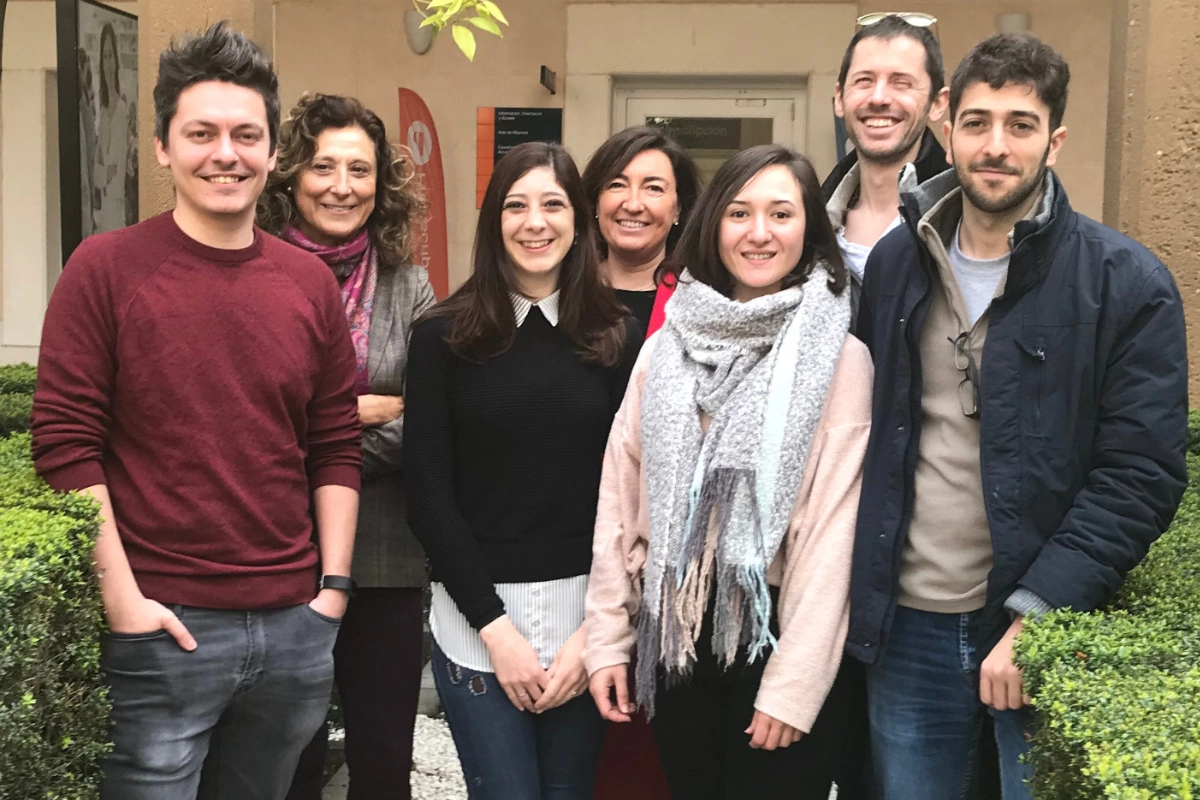
Members of the Team
- Principal Investigators:
- Carmen Castro González (PI).
- Researchers:
- Cristina Verástegui Escolano.
- Irene Iglesias Lozano.
- José Luis Gil Salú.
- Patricia Pérez García.
- Borja Sanz Peña.
CO5: Neurogenesis and Neuroregeneration
CO5: Neurogenesis and Neuroregeneration
Production
Find all of the group's publications ( Projects, Patents , and Publications) on the I+Salud Portal of the Andalusian Public Health System:

CO5: Neurogenesis and Neuroregeneration
CO5: Neurogenesis and Neuroregeneration
Networks
This groupis an active participant in the following groups: Networks:

SEA-EU Alliance
Visit the website: https://sea-eu.org/