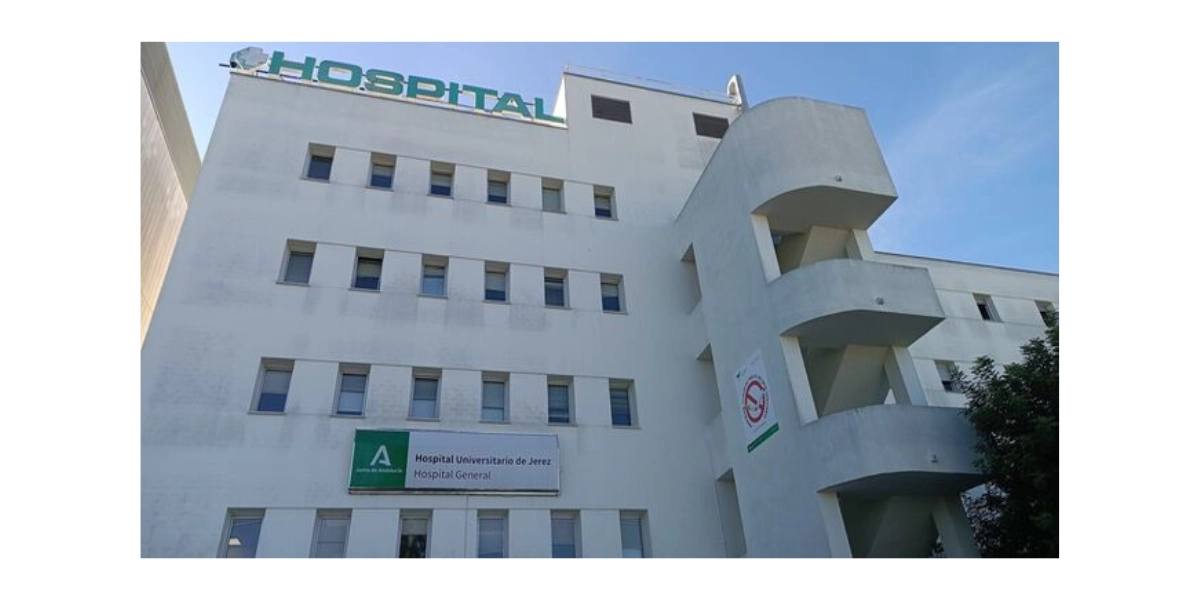


El jefe de Urología del Hospital de Jerez y el Punta Europa de Algeciras colidera el estudio con Elena Reales, de la UCA / E.P.
La revista internacional Toxins ha publicado un nuevo estudio del grupo de investigación del Instituto de Investigación e Innovación Biomédica de Cádiz (INiBICA) Oncología Urológica y Enfermedad Esclerosis Tuberosa: búsqueda de nuevas dianas terapéuticas, liderado por Álvaro Juárez, jefe de Servicio de Urología de los hospitales universitarios de Jerez y de Punta Europa de Algeciras, y Elena Reales, profesora de la Universidad de Cádiz (UCA). La apuesta por la investigación, no solo clínica, sino también básica, del Servicio de Urología de los hospitales reseñados, se ha traducido en publicaciones en las revistas de mayor impacto a nivel internacional.
Esta investigación básica describe el efecto de productos naturales derivados de plantas sobre la formación del cilio primario y su potencial aplicación para tratar tumores y enfermedades raras relacionadas con la disfunción del cilio, sin cura actualmente. El trabajo, de carácter interdisciplinar, ha contado con la colaboración del grupo de Alelopatía, liderado por Francisco Antonio Macías, del departamento de Química Orgánica de la UCA y adscrito al Instituto de Biomoléculas (INBIO).
El trabajo se centra en la descripción de una nueva actividad biológica para un grupo de productos naturales derivados de plantas denominadas ‘Lactonas sesquiterpénicas’, que son moléculas biológicamente activas que muestran un papel prometedor en el desarrollo de fármacos, con efectos anticancerígenos y antiinflamatorios, entre otros.
En este estudio, el grupo de investigadores describe la capacidad de estas plantas de perturbar la formación de un orgánulo celular denominado cilio primario, esencial para el desarrollo celular. Las anomalías en el cilio primario pueden dar lugar a cáncer, trastornos pleiotrópicos y a un diverso grupo de enfermedades raras denominadas ciliopatías, entre las que se encuentran la enfermedad poliquística de riñón, la esclerosis tuberosa y la retinitis pigmentosa.
En el trabajo publicado en Toxins se demuestra por primera vez que las Lactonas sesquiterpénicas Grosheimina (aislada de las hojas de la alcachofa) y Costunolide y derivados (asilados de las raíces de la planta Saussurea lappa) pueden modificar la formación del cilio primario en un modelo celular de células humanas normales de retina.
Así, la novedosa actividad de las biomoléculas presentada por el grupo de investigadores del INiBICA constituye una estrategia prometedora y con expansión para el desarrollo de futuros tratamientos de enfermedades relacionadas con la disfunción del cilio primario y para las que actualmente no existe cura. No obstante, el investigador Álvaro Juárez ha matizado que “para que puedan ser considerados como fármacos o dianas terapéuticas para tratar tumores o enfermedades raras son necesarias futuras investigaciones”.
🔗 Más información: Diario de Cádiz || MDPI