
INiBICA

Collaboration

🤝🩺 Dermatology, Rheumatology, and Gastroenterology Promote Multidisciplinary Collaboration 🩺🤝 - INiBICA

🤝🩺 Dermatology, Rheumatology, and Gastroenterology Promote Multidisciplinary Collaboration 🩺🤝

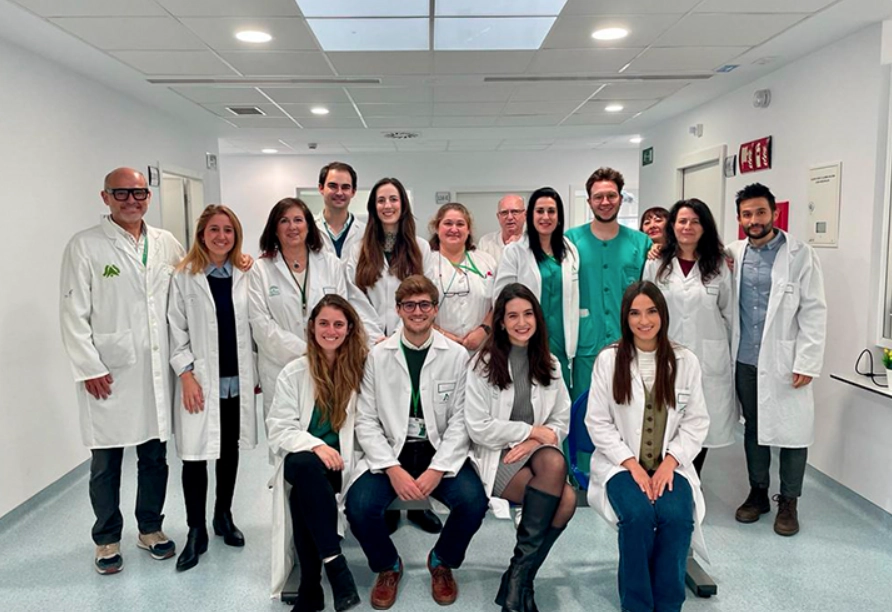
Las enfermedades inflamatorias de la piel, tales como la dermatitis atópica y la psoriasis (en adelante DA y PSO, respectivamente), tienen un gran impacto en la calidad de vida de los pacientes que las padecen, puesto que repercuten en su día a día afectando a las actividades domésticas, laborales y sociales por los síntomas que sufren. La sintomatología puede ir desde el dolor o picor hasta incapacidad funcional, trastornos del sueño, ansiedad, depresión y/o disfunción sexual y que varían en función de la extensión y localización de las lesiones. Un diagnóstico y tratamiento tardío puede suponer que la enfermedad se cronifique y aparezcan secuelas que pueden ser irreversibles. Se hace por tanto necesaria la colaboración entre las distintas funciones que componen nuestro servicio, dermatólogos y enfermeros, así como psicólogos del hospital que den soporte tanto a los pacientes como a sus familiares y, en muchas ocasiones, una consulta multidisciplinar con especialidades que abordan las enfermedades inmunomediadas, digestivos y reumatólogos. Desde el Servicio de dermatología del Hospital Puerta del Mar de Cádiz, en colaboración con AbbVie, se ha elaborado un proyecto dirigido a mejorar el circuito asistencial que enlaza todos los servicios implicados en la atención a pacientes con patología inflamatoria, así como reforzar la formación continuada del personal de enfermería implicado, todo ello con el fin de mejorar la vida de nuestros pacientes. En colaboración con:

🤝🩺 Dermatología, Reumatología y Gastroenterología impulsan la colaboración multidisciplinar 🩺🤝 Leer más »

🤝🩸 Proyecto de apoyo integral a pacientes con leucemia linfática crónica 🩸🤝 - INiBICA

🤝🩸 Comprehensive Support Project for Patients with Chronic Lymphocytic Leukemia 🩸🤝

Chronic lymphocytic leukemia is a disease with a heterogeneous clinical course, with a median age of onset of 70 years. Although there are cases in which therapeutic intervention will not be necessary throughout the patient’s lifetime, in most patients, treatment of the disease will be necessary. To date, there is no “cure” for this disease, but with proper diagnosis, patient follow-up, and appropriate treatment, it has been possible to improve not only life expectancy but also the quality of life for the patient and, consequently, for their caregiver. Chronic lymphocytic leukemia is a disease with a heterogeneous clinical course, with a median age of onset of 70 years. Although there are cases in which therapeutic intervention will not be necessary throughout the patient’s lifetime, in most patients, treatment of the disease will be necessary. To date, there is no “cure” for this disease, but with an accurate diagnosis, close patient follow-up, and appropriate treatment, it has been possible to improve not only life expectancy but also the patient’s quality of life—and, consequently, that of their caregiver. The goal of the Comprehensive Support Project for Patients with Chronic Lymphocytic Leukemia is threefold: to ensure that the management of patients with chronic lymphocytic leukemia—from their initial admission to the healthcare facility through their subsequent follow-up—is: Comprehensive (coordinating all components involved in such management); Continuous (throughout the entire course of the disease); and of the highest quality. In collaboration with:

🤝🩸 Comprehensive Support Project for Patients with Chronic Lymphocytic Leukemia 🩸🤝 Read more »

Privacy Summary

This website uses cookies so that we can provide you with the best possible user experience. Cookie information is stored in your browser and performs functions such as recognizing you when you return to our website or helping our Team understand which sections of the website you find most interesting and useful.