

🧠🎓 The School of Medicine Hosts the 4th Annual Symposium of the Spanish Network for Adult Neurogenesis 🎓🧠
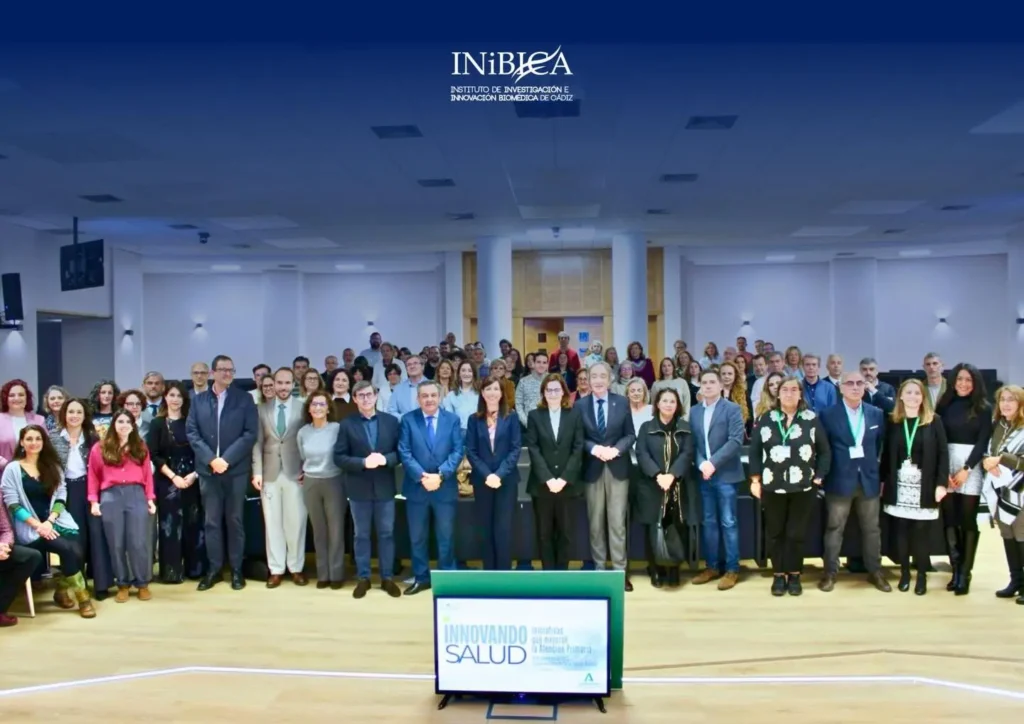
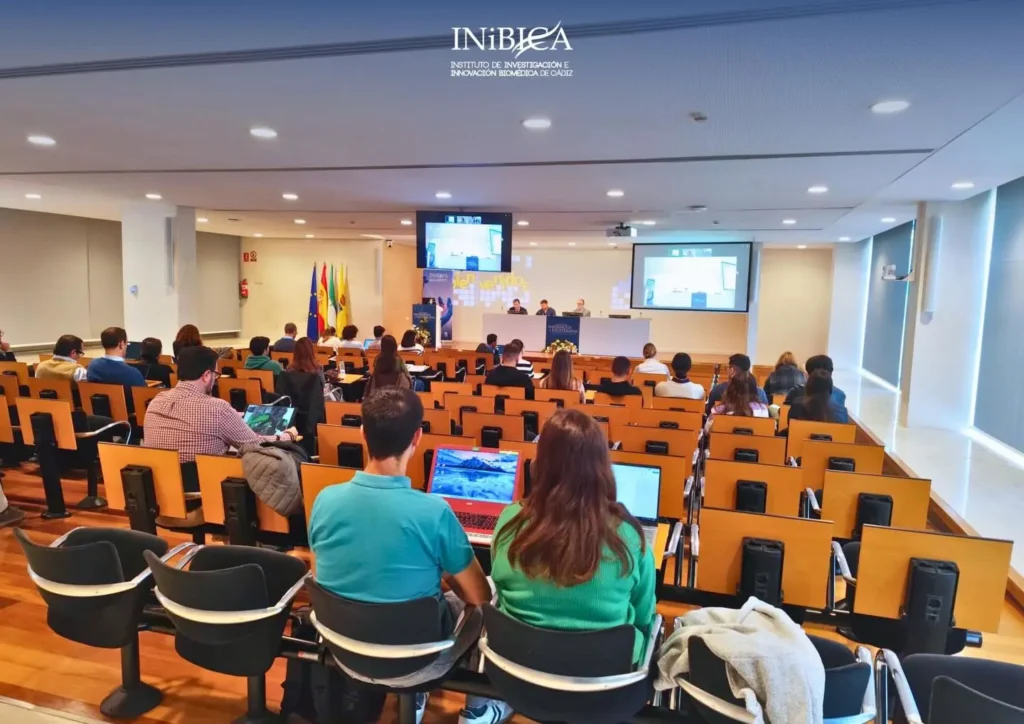
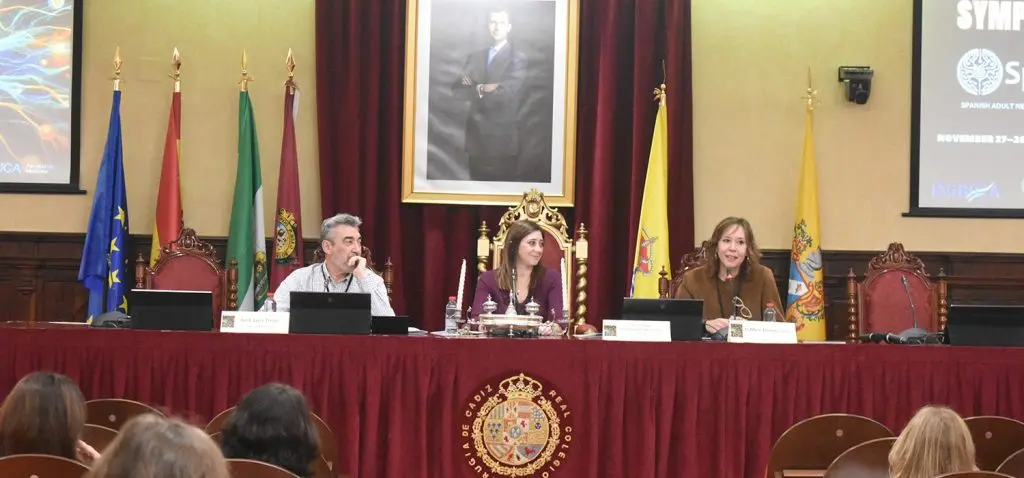
Over the course of two days, studies and Lines of research related to a fundamental discipline in neurodegenerative diseases such as Alzheimer’s, ALS, and Parkinson’s will be presented. The Spanish Network for Adult Neurogenesis (RENA) has chosen Cádiz —and more specifically, the School of Medicine at the University of Cádiz —to host the fourth edition of its annual symposium. This fourth scientific gathering of RENA members will take place over two days. This symposium facilitates the presentation of both research findings and Lines of research related to adult neurogenesis. Adult neurogenesis plays a crucial role in learning, mood regulation, and the integration of new neurons. It is also key to the study and research of neurodegenerative diseases such as Alzheimer’s, ALS, and Parkinson’s, among others. Throughout Thursday and Friday, various specialists from across Spain and of international renown will present on the present and future of this discipline. It also serves as an exchange of information that can help improve ongoing research. This event is supported by the Social Council of the University of Cádiz, the Office of the Vice Rector for Research, and INiBICA, among others. Esther Berrocoso, Professor of Pharmacology in the Department of Neurosciences at the University of Cádiz, stated that it is “a tremendous pleasure for the School of Medicine—and for the university as a whole—to host this symposium on neurogenesis, for very special reasons: because we have a significant number of researchers working in the fields of biomedicine and neuroscience. Specifically, the field of neurogenesis is a strong area, with several high-level research groups at the national and international levels. This meeting will be an excellent showcase for connecting with other groups nationwide, enabling us to establish collaborations and work together to advance this field. All of this is further supported by the strength provided by INiBICA, which allows us to carry out this research.” For his part, José Luis Trejo, a research scientist at the Cajal Institute—a neuroscience research center affiliated with the Spanish National Research Council (CSIC), founded in 1920 and initially directed by Santiago Ramón y Cajal—stated that “it is a pleasure to be here at Cádiz for the celebration of this 4th Symposium on Adult Neurogenesis. It is gratifying to see this community grow; we’ve gone from 30–40 people at the first meeting to nearly 80 gathered to discuss neurogenesis—a very important brain function about which nothing was known until just 40–50 years ago. “It is now on track not only to help us understand how the brain works, but also how it processes information; furthermore, it will likely be one of the most promising therapeutic tools in the coming years.” In addition to presentations by scientists, there is an exhibition featuring various panels of researchers addressing different aspects of this discipline. 🔗 More information: UCA