
INiBICA

🎗️🤝 UCA e INiBICA se unen para mejorar la atención psicológica a mujeres con cáncer de mama 🤝🎗️ - INiBICA

🎗️🤝 UCA and INiBICA Join Forces to Improve Psychological Care for Women with Breast Cancer 🤝🎗️

This initiative is seeking crowdfunding through the Precipita platform. The project, in which INDESS is participating, aims to create an app to monitor patients’ quality of life in real time. Researchers from the University of Cádiz, led by Rocío Guil Bozal, a professor in the Department of Psychology at the University School, Rocío Guil Bozal, are participating in an initiative by the Institute for Biomedical Research of the Province of Cádiz (INiBICA) and the Institute for Research on Sustainable Social Development (INDESS), whose main objective is to create a mobile app that provides real-time information on the health status and quality of life of breast cancer patients. This project aims to “identify potential areas for psychological counseling, based on the stage of the disease, type, and phase of treatment,” as the researchers explain. At the same time, “the research findings obtained through this work will make it possible to develop clinical practice guidelines and protocols so that both healthcare professionals and the patients themselves can address the emotional and psychological impact of the disease from an interdisciplinary perspective.” The researchers start from the premise that currently “there are no studies or assessment tools—either nationally or internationally—that comprehensively address both the clinical situation of patients and their quality of life.” For this reason, these experts have deemed it appropriate to optimize care for these women through e-health, that is, by leveraging the support offered by new technologies in healthcare and related fields. To this end, this multidisciplinary research group will collect information on the condition of all patients treated at hospitals in the “ SAS ” in the province of Cádiz who have been diagnosed with breast cancer and who voluntarily wish to participate. Specifically, the study will be conducted at the Hospital de Jerez de la Frontera, the Hospital Universitario Puerta del Mar in Cádiz , and the Hospital Universitario de Puerto Real. “The expected results will apply not only to the study population but to any patient, regardless of their place of residence,” as the researchers note. Furthermore, the knowledge and products generated “could easily be applied to any type of cancer and/or medical condition treated in hospitals within the public health system.” Overall, this project aims to contribute to “improving the exchange of information between public administration bodies in the fields of oncology and psychology—and, more broadly, among healthcare professionals—through the creation of e-health platforms, enabling data utilization and the creation of a more comprehensive and shared knowledge base.” In this context, this research seeks to pave the way for the creation of psycho-oncology services within the Andalusian Health Service (SAS) that provide psychological care to patients throughout the course of their illness, as well as to improve the quality of the services provided. Crowdfunding for Science: This project, titled “E-Health for the Promotion of Health and Quality of Life in Breast Oncology,” is part of the Precipita platform, promoted by the Spanish Foundation for Science and Technology (FECYT)—Ministry of Science and Innovation—which fosters the collective funding of science through crowdfunding. The minimum funding required to carry out this initiative, which is to be raised through the Precipita platform, is 25,000 euros. This amount will be used, among other purposes, to adapt the app to the iOS operating system, to design a forum that serves as a support network for all patients, to include geolocation features to identify nearby points of interest, and to expand the use of this platform to other types of cancer or chronic diseases. However, if a minimum budget of 3,000 euros is reached, the project leaders will be able to optimize the app in terms of usability, design, and the automatic export of collected data to statistical software. Those interested in participating can make a donation through Precipita and contribute to the project’s development. 🔗 More information: UCA

🎗️🤝 UCA and INiBICA Join Forces to Improve Psychological Care for Women with Breast Cancer 🤝🎗️ Read more »

🔬🤝 Jerez acoge un encuentro científico organizado por AHEPE con la colaboración de UCA, INiBICA e INDESS 🤝🔬 - INiBICA

🔬🤝 Jerez is hosting a scientific conference organized by AHEPE in collaboration with UCA, INiBICA, and INDESS 🤝🔬

European and American experts are attending the 11th International Congress on the History of Statistics and Probability at the UCA. AHEPE, in collaboration with the University of Cádiz, INiBICA, and INDESS, is organizing this scientific conference at the Jerez Campus. The Spanish Association for the History of Statistics and Probability (AHEPE), in collaboration with the departments of Statistics and Operations Research and Biomedicine, Biotechnology and Public Health at the University of Cádiz, the Institute for Biomedical Research and Innovation at Cádiz (INiBICA), and the University Institute for Research on Sustainable Social Development (INDESS), is holding the 11th International Congress on the History of Statistics and Probability at the Jerez Campus from today through October 24. UCA Rector Francisco Piniella, alongside Jerez Mayor Mamen Sánchez—accompanied by AHEPE President Miguel Ángel Gómez and INDESS Director José Antonio López—presided over the opening ceremony in the INDESS auditorium. The aim of this conference is to showcase the latest research and promote teaching and professional development for faculty on topics related to the history of statistics and probability in Spain and Europe, as well as to contribute to the preservation of all types of historical sources and to stimulate interest and vocations in the discipline among students. The UCA rector welcomed the attendees and thanked the organizers for the trust they have placed in this university to host an in-person international conference. For Francisco Piniella, this conference is even more important given the current context of the COVID-19 pandemic, in which these specialists and their work are essential to combating the virus: “Your contribution is key to unraveling the behavior of this invisible enemy. You are indispensable allies for public health. This contribution comes with a great deal of responsibility. Proper data management has turned Big Data experts into true modern-day saviors.” He concluded by reiterating the shared commitment to turn to “science—including the fields of statistics and probability—to find useful and humane solutions amid the turmoil of this crisis.” The mayor of Jerez emphasized the importance of data management in today’s society and told attendees that “Jerez is a safe and highly attractive city.” She also highlighted the significance of the inclusive bid for the European Capital of Culture in 2031, in which the UCA must play a role: “A city and a university cannot turn their backs on each other; there are many shared studies and Projects .” The director of AHEPE expressed gratitude for the institutional welcome and noted that “statistics and mathematics are in vogue, and we are ready to collaborate on anything within our field.” Finally, the director of INDESS highlighted the unique nature of this event, as it faced a “double challenge: being an international event and the complications of the pandemic, which forced us to postpone it.” Over the course of three days, in the mornings and afternoons, plenary lectures and oral and online presentations will be held by Spanish, European, and American researchers on topics related to the history of statistics and probability, along with social events. The conference languages are Spanish, French, and English. Daniel Peña, professor of statistics at Carlos III University of Madrid, delivered the opening lecture, titled “Akaike, Box, and Efron: The Beginnings of Big Data Analysis.” 🔗 More information: Cádiz News

🔬🤝 Jerez is hosting a scientific conference organized by AHEPE in collaboration with UCA, INiBICA, and INDESS 🤝🔬 Read more »

📱🎗️ INiBICA y la UCA desarrollan una aplicación para mejorar la calidad de vida de mujeres con cáncer de mama 🎗️📱 - INiBICA

📱🎗️ INiBICA and UCA are developing an app to improve the quality of life for women with breast cancer 🎗️📱

UCA Researchers Develop an App to Improve the Quality of Life for Women with Breast Cancer They have launched a crowdfunding campaign to raise funds to carry out the project A multidisciplinary Team from the University of Cádiz (UCA) is developing a mobile app, to assess and improve the quality of life for women with breast cancer “from a holistic perspective based on Quality of Life and Health,” they note. This group of researchers consists of psychologists, physicians, and computer scientists affiliated with the Institute for Research on Sustainable Social Development (INDESS) at the University of Cádiz and the Institute for Research in Biomedical Sciences of the Province of Cádiz (INIBICA), which is part of the Regional Ministry of Health under an agreement with the UCA. Their goal is to develop the “E-Health for Health Promotion and Quality of Life in Breast Cancer” project under the Health Innovation initiative through the Foundation for Biomedical Research Management at Cádiz, in line with Andalusia’s Comprehensive Plan for Oncology and Mental Health, which would allow them to optimize the app. “To this end, and in collaboration with the Spanish Foundation for Science and Technology (FECYT),” they explain, “we have launched a crowdfunding campaign with the goal of raising funds so we can continue with our project. The campaign will run for three months starting this Monday, October 19, and we will carry out various outreach activities of interest.” As these researchers explain, with regard to breast cancer, Cádiz is one of the Andalusian provinces that, despite having a declining mortality trend, has a higher relative mortality rate when compared both to Andalusia as a whole and to Spain in general. This is because “breast cancer is the most common neoplasm (tumor) worldwide, accounting for 16% of all cancers diagnosed in women (Spanish Society of Medical Oncology, 2017). In Andalusia, approximately 4,900 new cases of breast cancer are diagnosed each year; however, survival rates have increased considerably over the past 25 years and currently stand at 85.6%, according to the latest data from the Andalusian Cancer Registry.” Hospitals in Cádiz, Puerto Real , and Jerez: Given this situation, the goal of this group of researchers from Cádiz is “to develop a mobile app that provides real-time information on the health status and quality of life of breast cancer patients. It will be aimed at both women living with the disease and the healthcare professionals responsible for their care.” Similarly, they aim to “identify potential areas for psychological counseling, based on the stage of the disease and the type and phase of treatment. The goal is to improve patients’ quality of life and help them adapt to the disease.” The results of this research may “lead to the development of clinical practice guidelines and protocols that address the impact of the disease on emotional and psychological well-being—both for healthcare professionals, from an interdisciplinary perspective, and for the patients themselves.” And its ultimate goal is for this research to serve as a stepping stone toward the creation of psycho-oncology services within the Andalusian Health Service (SAS) that provide psychological care to patients throughout the course of their illness. “The uniqueness and novelty of our project lie in the fact that there are no studies or assessment tools—either nationally or internationally—that jointly address patients’ clinical status and the various domains and dimensions of quality of life specified by the WHO,” explains the “ Team ” in its fundraising campaign. Initially, this study will be conducted at the Hospital de Jerez de la Frontera, the Hospital Universitario Puerta del Mar of Cádiz , and the Hospital Universitario de Puerto Real , which collectively treat an estimated total of 600 new cases each year. The study sample will consist of patients diagnosed with breast cancer who voluntarily wish to participate. However, the goal is for the knowledge and products generated to be applied to any type of cancer and/or medical condition treated in hospitals within the public health system. To achieve this, the first step is to raise the 3,000 euros needed to optimize the app through a crowdfunding campaign. 🔗 More information: La Voz Digital

📱🎗️ INiBICA and UCA are developing an app to improve the quality of life for women with breast cancer 🎗️📱 Read more »

🤝🎗️ La Asociación Mujeres con Cáncer "Bahía" dona fondos a INiBICA para impulsar la investigación 🎗️🤝 - INiBICA

🤝🎗️ The “Bahía” Association for Women with Cancer donates funds to INiBICA to support research 🎗️🤝

The “BAHÍA” WOMEN WITH CANCER ASSOCIATION is joining efforts to promote research at the Institute for Biomedical Research and Cancer Research ( Projects ) related to metastatic breast cancer through a collaboration with INiBICA for the Oncology Clinical Management Unit at the Hospital de la Ciudad de Bilbao ( Hospital Universitario Puerta del Mar), led by Dr. Jose Manuel Baena Cañada.

🤝🎗️ The “Bahía” Association for Women with Cancer donates funds to INiBICA to support research 🎗️🤝 Read more »

🧠🔬 El proyecto europeo PARENT aplica inteligencia artificial para mejorar el pronóstico neurológico infantil 🔬🧠 - INiBICA

🧠🔬 The European PARENT project uses artificial intelligence to improve neurological prognosis in children 🔬🧠

PARENT, a project funded by the European Union that uses artificial intelligence to study how to improve neurological prognosis in children INiBICA, together with the “Perinatal Brain Injury” group at Puerta del Mar Hospital and the GOAL and SIC groups at the UCA, was awarded the PARENT project as part of the 2020 MSCA ITN-ETN call for proposals. The PARENT project, which has received 3,835,000 euros in funding, combines the efforts of a multidisciplinary network of 10 leading research groups in Europe and brings together partners from the business sector, healthcare institutions, and a nonprofit organization (Fundación Nene) with the goal of developing a technological infrastructure that will train 15 candidates who are in the early stages of their research careers. Cádiz Foundation and the UCA are partners in the project and have received 1,250,000 euros to host 5 doctoral students within their institutions. The project focuses on the risks posed by preterm birth to neurological development in childhood and adolescence. Although advances in neonatal care over the past few decades have greatly improved the survival without sequelae of prematurely born infants—even at extremely low gestational ages—we are now in a period of stagnation in which no further improvements are being achieved in long-term neurological development outcomes. The impact of these sequelae affects not only individuals and their families but also places a significant burden on society. Early diagnosis of brain injury and/or impaired brain development, as well as early detection of neurodevelopmental abnormalities, are important strategies for improving the well-being of children and their families, as they allow for appropriate neurological and psychomotor development monitoring and the implementation of more specific strategies that optimize treatment options. In this context, PARENT envisions a multidisciplinary approach to developing diagnostic and predictive platforms focused on motor and cognitive impairments in preterm infants. PARENT will make a critical contribution toward an open software infrastructure for diagnosing neurodevelopmental disorders by integrating disciplines such as clinical data, neuroimaging data collection and processing, biomarkers, data fusion, machine learning applied to clinical data, and new predictive algorithms. To better harness the potential of the data, PARENT envisions a user-friendly software infrastructure that provides integrated databases, validated algorithm components, and platforms built upon them. This vision can be framed within the broader paradigm of evidence-based medicine, personalized medicine, and patient- and family-centered care, as well as clinical decision support systems.

🧠🔬 The European PARENT project uses artificial intelligence to improve neurological prognosis in children 🔬🧠 Read more »

🧬🤝 El Biobanco impulsa una campaña de donación de muestras biológicas de personas recuperadas de la COVID-19 🤝🧬 - INiBICA

🧬🤝 The Biobank is launching a campaign to collect biological samples from people who have recovered from COVID-19 🤝🧬

The Andalusian Public Health Biobank is launching a campaign to collect biological samples from people who have recovered from COVID-19. The samples collected through the Registry of Sample Donors for Biomedical Research will support Projects research projects seeking therapeutic alternatives for this disease. The Biobank of the Andalusian Public Health System, through the Registry of Sample Donors for Biomedical Research, has launched a campaign to raise awareness about the importance of donating biological samples from patients who have recovered from COVID-19, with the aim of supporting the numerous Projects biomedical research projects seeking to advance our understanding of all aspects related to this coronavirus, as well as the disease it causes. Currently, the SSPA Biobank is supporting nearly thirty biomedical research Projects s related to research on SARS-CoV-2 and COVID-19. The Projects to which it is contributing biological samples and/or associated data from people who have had the disease range from strategic national-level studies seeking genetic risk biomarkers that may predispose individuals to more severe infection, Projects seeking immunogenic tools that contribute to the design of effective vaccines, to Projects seeking to develop faster and more reliable diagnostic tests. To obtain all the samples needed for the development of the various Projects, the SSPA Biobank, through the Registry of Sample Donors for Biomedical Research, is launching this campaign to recruit donors from the general public. As part of this campaign, the SSPA Biobank is calling on anyone who has experienced symptoms related to COVID-19, tested positive on a PCR and/or serological test, or believes they were asymptomatic, to contribute by donating samples to help fight this disease. Anyone wishing to participate can contact More information at any of the Biobank’s locations (which can be found at www.biobancosspa.es) or by calling 958 894669, or register directly with the Registry through the various available channels: online via the website, www.soydonanteparainvestigacion.es, using a digital certificate; or by downloading and completing the form available on that website and submitting it at any of the Biobank’s locations, or by emailing it to E-mail or registro.donantes.csalud@juntadeandalucia.es. As soon as a new research project arises for which donors registered in the Registry meet the project’s requirements, the Biobank will contact them to confirm their availability to participate. All samples stored in the SSPA Biobank are available to the scientific community to support as many biomedical research Projects as possible. In addition, the SSPA Biobank is available to all researchers who require guidance on the use of biological samples and data for their research Projects , whether related to COVID-19 or other diseases. About the Biobank: The Andalusian Public Health System Biobank is organized as a networked biobank consisting of various associated nodes within provincial platforms, linked to healthcare institutions, with a Coordination Node located in Granada. As a networked biobank, it serves as a resource platform offering researchers all types of biological samples and associated clinical data. In addition, the Network of Transfusion, Tissue, and Cell Centers provides healthcare services in this area within the framework of the Andalusian Health Service (SAS). About the Andalusian Registry of Donors of Samples for Biomedical Research: The Andalusian Registry of Donors of Samples for Biomedical Research is a tool that allows Andalusians to participate directly in the advancement of biomedical research. It is a database that collects basic identification and health information (data) from individuals interested in participating in research. The body responsible for the Registry is the General Secretariat for Health Research, Development, and Innovation of the Regional Ministry of Health and Families, and the SSPA Biobank is in charge of its management. Since its creation in June 2015, it has had more than 1,600 registered participants, who can donate any biological sample of human origin: blood, saliva, hair, nails, stool, urine, sweat… 🔗 More information: Regional Government of Andalusia

🧬🤝 The Biobank is launching a campaign to collect biological samples from people who have recovered from COVID-19 🤝🧬 Read more »

💰🔬 The Spanish National Research Council ( ISCIII ) is providing 100,000 euros in funding for a COVID-19 research project led by INiBICA 🔬💰 - INiBICA

💰🔬 The ISCIII has awarded 100,000 euros in funding for a COVID-19 research project led by INiBICA 🔬💰

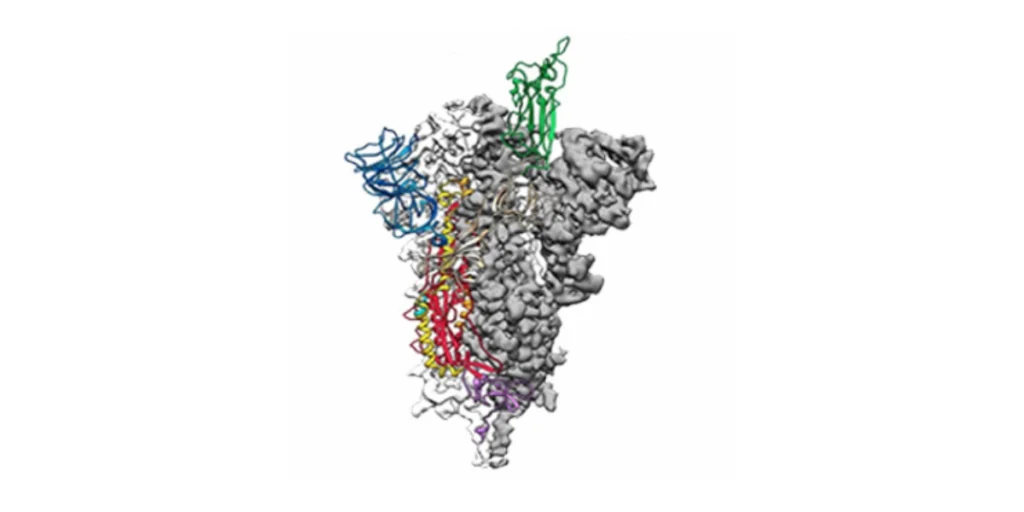
In response to the call for “EXPRESSIONS OF INTEREST FOR RESEARCH- Projects S ON SARS-CoV-2 AND COVID-19 FROM THE ISCIII,” the INIBICA CO-10 Group, “Molecular Immunology and Genic and Cellular Immunotherapy,” has secured 100,000 euros to fund a research project titled “Nanosensor-Based Diagnosis and Rapid In-Solution Identification of Disruptors of the Interaction Between the SARS-CoV-2 Virus and Its Cellular Receptor (NANOCOMPETE),” whose Principal Investigator (from the Immunology Division at the UCA), Mr. Francisco García Cózar , will focus on developing new, innovative therapies and, in collaboration with Mr. Daniel Ortega Ponce (who recently joined the Department of Condensed Matter Physics at the UCA), will work on a new technique for rapid virological diagnosis of SARS-CoV-2. Three molecules of the viral “spike” protein binding to the ACE2 cell receptor (in green), allowing the virus to enter the cell (Daniel Wrapp et al. Science 2020)

💰🔬 The Spanish National Research Council ( ISCIII ) is providing 100,000 euros in funding for a COVID-19 research project led by INiBICA 🔬💰 Read more »

🏛️🔬 El Gobierno aprueba la convocatoria de las Plataformas ISCIII de I+D+i 🔬🏛️ - INiBICA

🏛️🔬 The Government Approves the Call for Proposals for the " ISCIII " R&D&I Platforms 🔬🏛️

El Gobierno aprueba la convocatoria para las Plataformas ISCIII de I+D+I, con 27,5 millones durante los próximos 3 años El Instituto de Salud Carlos III reorienta y fortalece sus plataformas de apoyo a la I+D+I en Biomedicina y Ciencias de la Salud El Consejo de Ministros ha aprobado este martes, a petición del Ministerio de Ciencia e Innovación, autorizar al Instituto de Salud Carlos III (ISCIII) la convocatoria de subvenciones para las Plataformas ISCIII de apoyo a la I+D+I en Biomedicina y Ciencias de la Salud, como parte del desarrollo de la Acción Estratégica en Salud 2017-2020. Las plataformas ISCIII son un conjunto de centros y/o grupos de investigación que, bajo la coordinación y cohesión territorial proporcionada por el ISCIII, comparten sus capacidades científico-técnicas de alto nivel con aquellos grupos de investigación del Sistema Nacional de Salud (SNS) que así lo demanden, siempre con una clara orientación a las Ciencias de la Salud, a los pacientes y sus familias. Junto a las Redes Temáticas de Investigación Cooperativa (RETIC), los consorcios (CIBER), las fundaciones (CNIO, CNIC y CIEN) y los Institutos de Investigación Sanitaria (IIS), las plataformas conforman la apuesta del ISCIII por la investigación en red, esta vez mediante la vertebración cualitativa del acceso a capacidades científico-técnicas para los grupos de investigación del SNS que así lo precisen. En concreto, la convocatoria aprobada este martes financiará a tres plataformas con más de 27 millones de euros a ejecutar durante los próximos 3 años. De esta manera, las plataformas contarán en 2020 con 9,4 millones; en 2021, con 9 millones, y en 2022, con otros 9 millones. Esta convocatoria coincide con la reorientación de las plataformas del ISCIII para hacer frente a tres grandes retos. Por un lado, pretende proporcionar uno de los eslabones necesarios en la generación de valor industrial tangible a la Ciencia generada dentro del SNS. En segundo lugar, proporciona la distribución y cohesión geográfica necesaria de acceso a servicios científico-técnicos y colaboración en el desarrollo de proyectos de alto nivel, que ayudará a los nuevos equipos de científicos surgidos de las acciones de Recursos Humanos de la Acción Estratégica en Salud 2019 y 2020 a disponer de capacidades tecnológicas reales para ser competitivos internacionalmente. Por último, estas plataformas nacen con la perspectiva puesta en Horizonte Europa, con el objetivo de hacer que nuestros grupos sean más competitivos en el nuevo programa. Más allá, las tres plataformas formarán parte de una estructura de gobernanza que permitirá la integración de todas sus capacidades reales bajo la coordinación del ISCIII, a la vez que la coordinación de cada una de ellas estará sometida a un proceso de concurrencia competitiva individual. De forma específica, cada una de las plataformas es continuación o unificación de las previas, adaptadas a las actuales políticas científicas del ISCIII. En este sentido, y tras el importante y sostenido apoyo del ISCIII a la investigación clínica independiente y a la necesidad de dar soporte a los importantes estudios observacionales que hay en marcha, el ISCIII añade capacidades a la Plataforma de Investigación Clínica y Ensayos Clínicos (SCREN), que pasa a denominarse Plataforma ISCIII de soporte para la Investigación Clínica. Por otro lado, en la apuesta por la generación de industria y como evolución de la plataforma de innovación tecnológica (ITEMAS), activa desde hace una década, el ISCIII apuesta por una plataforma que facilite la industrialización de los desarrollos y la investigación del SNS a través de la transferencia efectiva al sector productivo que debe generarse alrededor del SNS. Por último, se crea una plataforma nueva que gestionará globalmente muestras biológicas de enfermedad mediante la coordinación de servicios de suministro y generación de organoides y/o modelos animales, impresión 3D de órganos y tejidos así como de muestras convencionales a través de biobancos virtuales. En este último caso, la muestra biológica, a poner a disposición de los investigadores, debe ir vinculada a la información clínica del donante. Los beneficiarios de las ayudas hoy aprobadas serán las siguientes entidades: los Institutos de Investigación Sanitaria (IIS) acreditados, cuyos proyectos tendrán especial consideración en el proceso de selección; hospitales, centros de atención primaria y otros centros asistenciales; entidades e instituciones sanitarias privadas sin ánimo de lucro vinculadas o concertadas al SNS; Organismos Públicos de Investigación (OPI); otros centros públicos de I+D, diferentes de los OPI, vinculados o dependientes de la Administración General del Estado o del resto de las Administraciones públicas y sus organismos; universidades públicas, institutos universitarios y universidades privadas; y entidades públicas y privadas sin ánimo de lucro. De igual manera, está previsto que en la futura convocatoria de Medicina de Precisión se incluyan capacidades adicionales tales como la bioinformática y las tecnologías ómicas. En definitiva, con esta actuación las plataformas ISCIII aumentan su capacidad, tanto por el mantenimiento de las previas como por la incorporación de nuevos servicios científico-técnicos, y actualizan las tecnologías ofertadas, permitiendo con ello que los grupos del SNS puedan competir con mayores garantías en el nuevo programa de la Unión Europea. Son, al fin y al cabo, una apuesta más del ISCIII hacia la investigación en red como resultado de su papel como agente financiador y de cohesión. 🔗 Más información: Gobierno de España

🏛️🔬 The government approves the call for proposals for the " ISCIII " R&D&I platforms 🔬🏛️ Read more »

🧪📊 Profesionales del SAS impulsan más de una treintena de estudios clínicos sobre la COVID-19 📊🧪 - INiBICA

🧪📊 Professionals at the SAS are conducting more than thirty clinical studies on COVID-19 📊🧪

Healthcare professionals at the Andalusian Health Service ( SAS ) are participating in more than thirty clinical studies on COVID-19. Researchers are seeking treatments for the disease by testing drugs and therapeutic alternatives using hyperimmune plasma from recovered patients or adipose tissue stem cells. Healthcare professionals in the Andalusian healthcare system are conducting a total of 32 clinical studies specifically focused on COVID-19, research aimed at finding effective treatments for the disease, ranging from testing drugs originally indicated for other conditions to evaluating cell therapy. Andalusia’s leadership in this field is notable, as 43.7% of the studies currently underway are led by Andalusian healthcare professionals; specifically, by the Andalusian Network of Foundations Managing Research in the Andalusian Public Health System (RFGI-SSPA), a network coordinated by the Progress and Health Foundation, an entity under the General Secretariat for Health R&D&I that manages and promotes research in all provinces. Of the 32 clinical studies currently underway, 15 are clinical trials and 17 are observational studies. They focus on various aspects, such as the efficacy of mesenchymal stem cells derived from adipose tissue in patients with severe COVID-19 pneumonia; the effect of sarilumab in adults hospitalized with the disease; the impact of low-molecular-weight heparins on COVID-19 infection; acquired immunity in patients with lung cancer and the virus; and respiratory infections in the pediatric population, among others. The participation of healthcare professionals in Andalusia extends beyond regional borders; specifically, there are five international clinical trials involving hospitals in Cádiz, Málaga, and Seville. Notably, the Solidarity study—sponsored by the World Health Organization (WHO)—aims to provide reliable estimates of the effects of antiviral drugs on in-hospital mortality in patients with moderate or severe COVID-19. The 32 clinical studies currently underway involve a total of 86 participants from Andalusian healthcare centers; that is, in each clinical study—whether a trial or an observational study—different professionals from different centers are participating, highlighting the multicenter and collaborative nature of all the research being conducted. Curbing the Spread of COVID-19: Due to the pandemic declared by the WHO resulting from the novel coronavirus, the Department of Health and Families of the Regional Government of Andalusia has promoted research in this area through a specific research program, with the goal of finding effective treatments for COVID-19. A better understanding of the virus is essential for finding therapeutic alternatives and curbing its spread. In addition to this special program on COVID-19, Andalusia has a Clinical Research Program, a key tool for advancing this research, which generates knowledge aimed at solving the population’s health problems and improving their life expectancy and quality of life. The clinical research process involves identifying citizens’ health problems, establishing strategies to address them, and evaluating the effectiveness and efficiency of the strategies designed. 🔗 More information: Priego Digital

🧪📊 Professionals at the SAS are conducting more than thirty clinical studies on COVID-19 📊🧪 Read more »

Privacy Summary

This website uses cookies so that we can provide you with the best possible user experience. Cookie information is stored in your browser and performs functions such as recognizing you when you return to our website or helping our Team understand which sections of the website you find most interesting and useful.